Language:



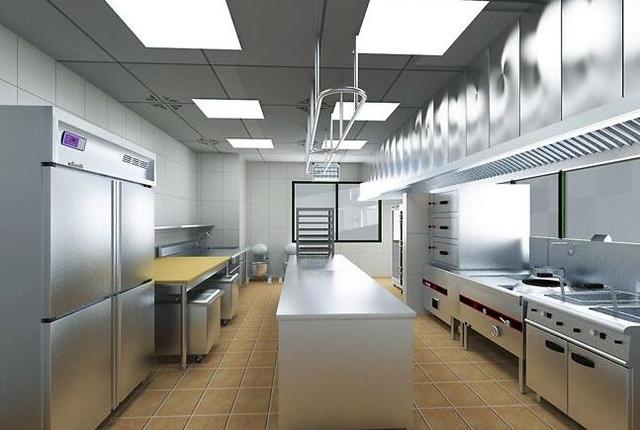
Walk into any serious restaurant, hotel banquet kitchen, or central production kitchen and look below the cooking line: almost everything that touches heat, water, and food is stainless steel. There is a good reason for that. In a commercial environment, cabinetry is not decoration — it is working equipment that has to survive sixteen-hour service days, boiling water, grease vapors, harsh sanitizing chemicals, and health inspections. Commercial stainless steel cabinets have become the default specification for professional kitchens worldwide, and in this guide we break down exactly what a restaurant or hotel buyer should look for: grades of steel, construction standards, layout planning, hygiene certification, and how to work with a factory-direct manufacturer.
Whether you are outfitting a 40-seat bistro, a five-star hotel main kitchen, a food truck, or a school canteen, the specification logic is the same. Get it right and the kitchen runs reliably for 20–30 years. Get it wrong and you will be replacing warped, corroded, or failed cabinets within three to five seasons.
Health codes and HACCP programs are built around one principle: surfaces that contact food must be non-porous, cleanable, and corrosion-resistant. Wood, MDF, and laminate absorb moisture and harbor bacteria inside the board — once the surface is compromised, the contamination cannot be cleaned out. Food grade stainless steel cabinets eliminate this problem at the material level. The surface is non-porous, tolerates commercial sanitizers and degreasers, and can be wiped down between services without degradation. This is also why anti bacterial stainless steel cabinets are increasingly specified for hospital kitchens, school canteens, and pharmaceutical catering facilities, where audit standards are even stricter than restaurant health inspections.
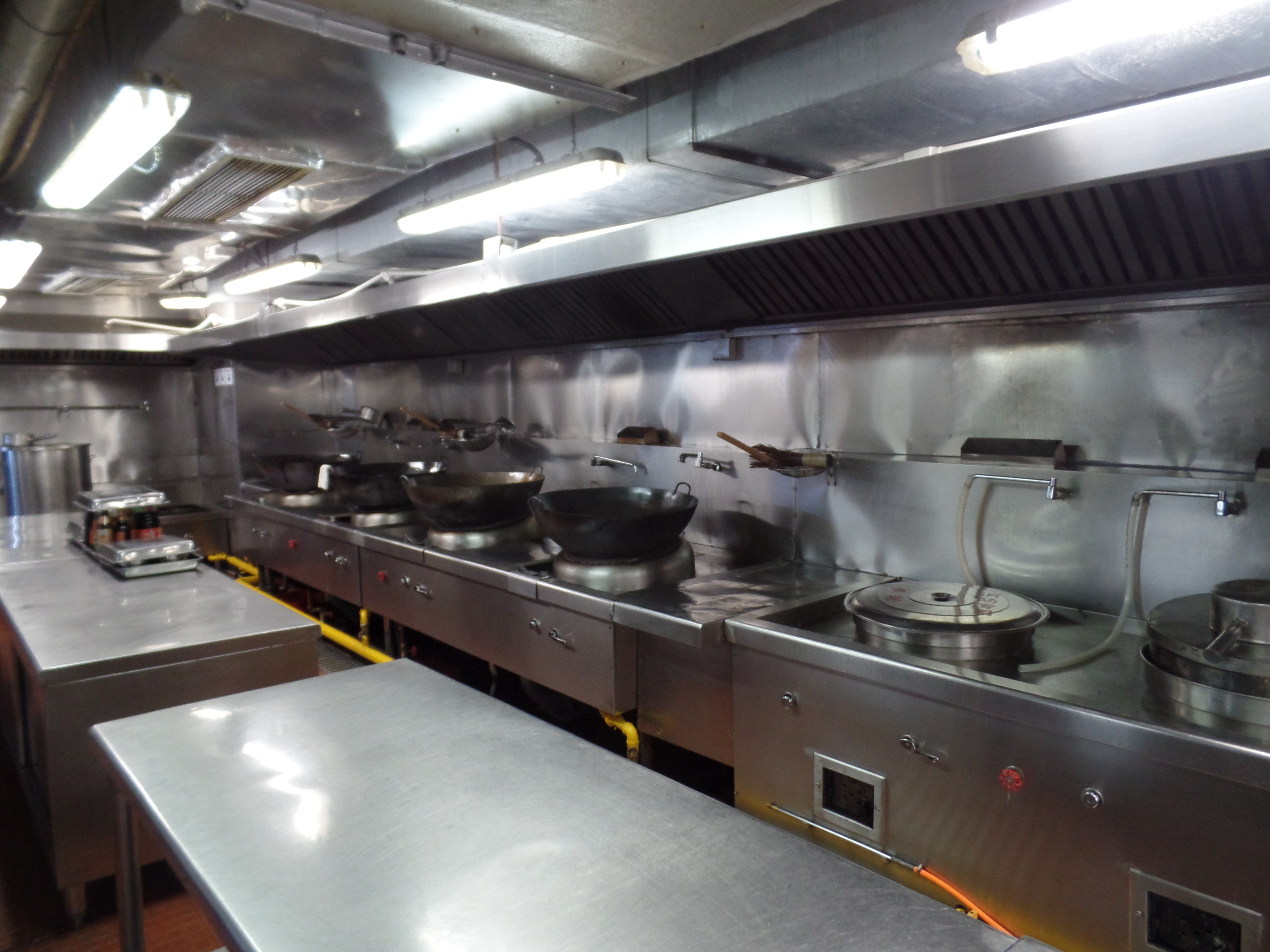
A commercial cooking line concentrates heat like nothing in a home kitchen. Open flame burners, wok ranges, salamander grills, and fryer stations push surrounding surfaces well past 200°C. Stainless steel carcasses do not ignite, do not delaminate, and do not off-gas. Around high-heat cooking zones, steel is not simply the best option — it is effectively the only option that a fire inspector and an insurer will both accept.
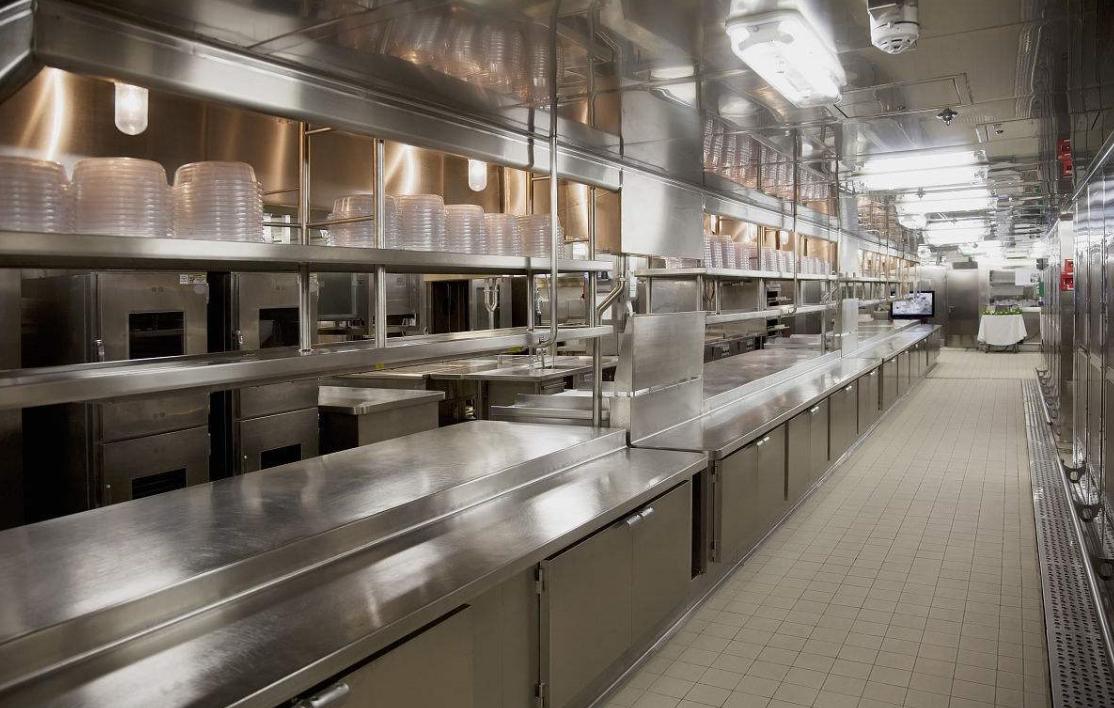
A stocked hotel dry-storage cabinet can carry several hundred kilograms of canned goods, small wares, and equipment. Domestic-grade cabinetry is simply not built for this. Commercial specification calls for thicker sheet (typically 1.0–1.5 mm for carcasses and worktops), reinforced top rails, and adjustable heavy-duty legs or plinths. Well-built industrial stainless steel storage cabinets carry rated load capacities of 150 kg or more per shelf without racking.
Commercial kitchens are constantly wet: steam from kettles, splash from pot sinks, chemical steam from dish machines. Coastal hotels and marine galleys add salt-laden air to the mix — one of the most corrosive environments any cabinet can face. Cruise ship and yacht galleys have used stainless steel almost exclusively for decades precisely because nothing else survives that combination of salt, heat, and constant cleaning.
Two grades cover virtually every commercial specification:
A practical note on verification: require a mill test certificate (MTC) with the heat number and chemical composition for your production batch, and check sheet stampings on arrival. This two-minute check protects you from 201-grade material being substituted for 304 — one of the most common failures we see in low-cost procurement. Our complete stainless steel cabinets buyer's guide covers grade selection and verification in more detail.
Two cabinets can look identical in a photograph and perform completely differently in service. These are the construction details that matter:
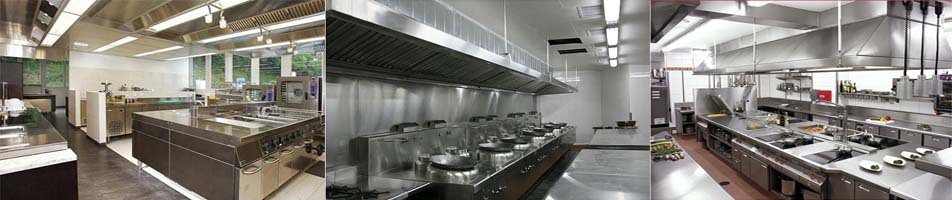
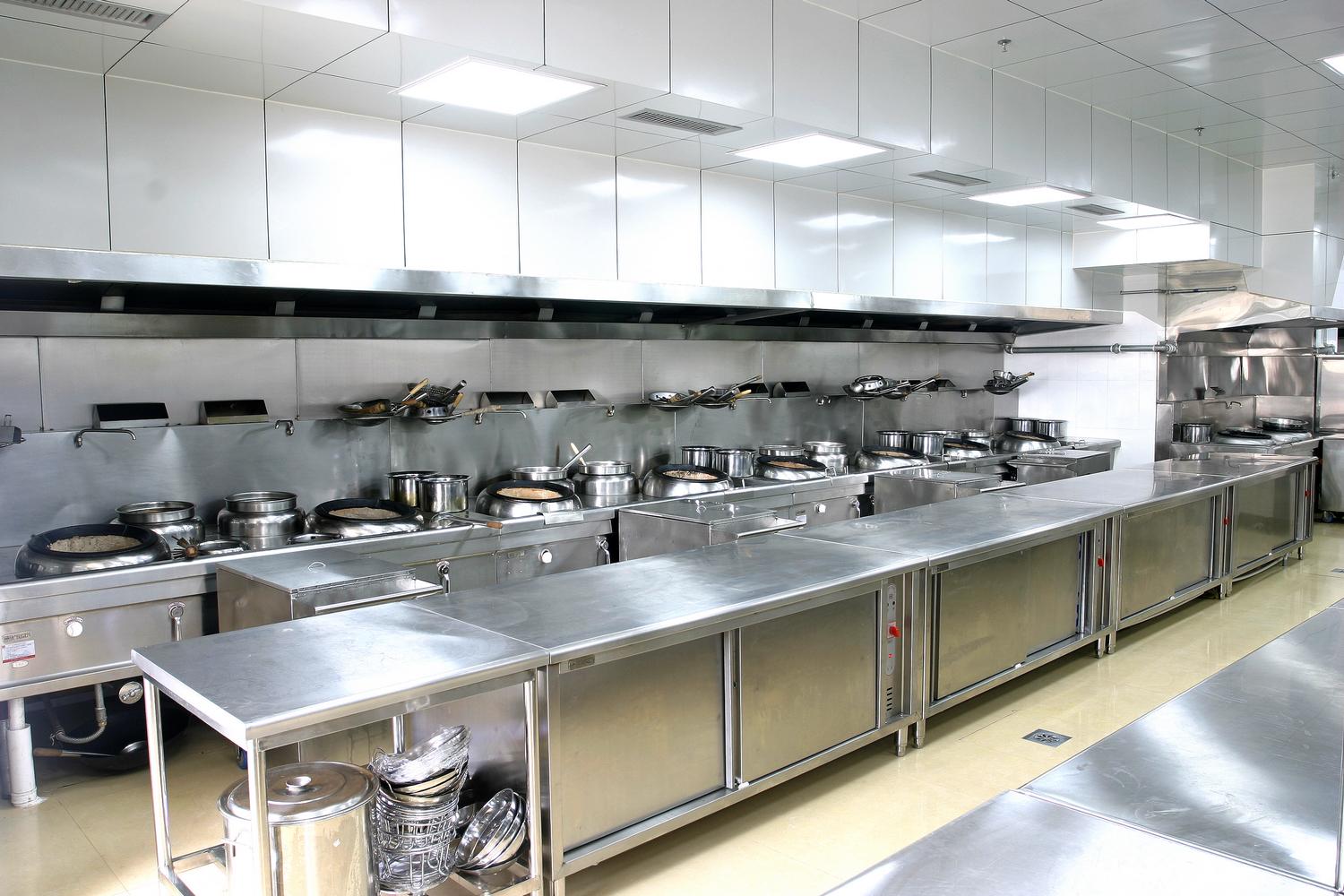
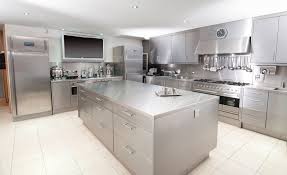
The classic restaurant line organizes cabinets around workflow: receiving and dry storage on the far side, prep stations with under-counter refrigeration in the middle, and the hot line — cook range, fryer, grill — closest to the pass. Base cabinets with worktops above should run continuously along the line so staff never lose landing space; every gap is a spill waiting to happen. Wall-mounted stainless cabinets keep frequently used small wares at hand without consuming worktop space, and a stainless steel island or central chef station creates a second work axis in larger kitchens.
Hotel kitchens concentrate volume: a single banquet service can require plating 800+ covers in ninety minutes. These kitchens need long uninterrupted runs of stainless steel base cabinets, large-format prep tables, and heavy-duty storage walls. Specifiers typically combine open shelving for fast-moving items with lockable storage — stainless steel cabinets with lock are standard for chemicals, high-value small wares, and secured stock in hotels and institutions.
The food truck market — particularly strong in North America — has its own discipline: every centimeter counts, every unit must be multi-function, and weight matters for fuel economy. Purpose-built stainless steel cabinets for food truck use compact footprints, welded one-piece units that survive vibration on the road, and integrated sinks that comply with mobile food service codes. Because trucks shake constantly, bolted-and-glued domestic cabinets fall apart quickly; fully welded steel construction is the only realistic option.
Institutional buyers add two requirements: audit-grade hygiene documentation and security. Anti-bacterial specification with test reports, plus locked storage for medication, chemicals, and restricted diets. These projects are won on documentation as much as on price — choose a manufacturer who can supply material certificates, food-contact compliance statements, and antibacterial test reports as standard.
For any commercial project, request these documents before signing:
Most serious commercial buyers procure directly from manufacturers rather than through distributors, and for good reason: commercial kitchens are almost never standard. Column positions, existing drainage, hood dimensions, and local health code clearances all force customization. A factory-direct stainless steel cabinet manufacturer can produce non-standard widths, integrate sink cutouts and drip grooves to your drawings, match hood and equipment dimensions exactly, and support OEM branding for dealers and fit-out contractors.
When you request a quotation, provide a rough kitchen layout with dimensions, the equipment list you plan to install, and your local code requirements. A capable factory will return a CAD layout for confirmation, a per-cabinet specification sheet, and a packing plan for container loading. Typical production lead time for a full commercial kitchen set runs 25–40 days, and the packing plan matters more than buyers expect — a well-packed container of welded cabinets arrives undamaged, a badly packed one arrives as scrap metal.
If you are comparing residential options as well — for a chef's home, staff housing, or a showroom project — see our article on 304 stainless steel kitchen cabinets for modern homes. You can browse our kitchen cabinet series or the full product catalog to see current designs, and send us your layout through the inquiry form for a factory-direct quotation. For engineering drawings, OEM terms, or samples, contact our export team directly.
SUS 304 is the accepted standard for food-contact surfaces in commercial kitchens worldwide. Use 316 in coastal, outdoor, or marine environments where salt exposure accelerates chloride pitting.
Codes generally require food-contact surfaces to be non-porous, corrosion-resistant, and cleanable — stainless steel is the material that satisfies this in practice, and most inspectors expect to see it in wet and hot zones.
In proper 304/316 specification, 20–30 years of daily commercial service is realistic. Failures we see in the field almost always trace back to substituted low-grade steel or seams that were never sealed or passivated.
Yes. Factory-direct production supports non-standard widths, welded sink units with cutouts to your basin dimensions, integrated worktops, and hood-matched clearances. Provide a layout drawing and equipment list for an accurate quotation.
For a full kitchen fit-out there is no practical MOQ — a single-kitchen order is common. For OEM production and dealer programs, quantities and pricing are quoted per project; contact the factory with your requirements.
Contact: kathy lao
Phone: WeChat/whatsspp:+86-15014649610
Tel: +86-757-28917002 +86-15014649610
Email: kc@stuya127.com
Add: shop B128,sunlink kitchen cabinet linghting city,shunde district,ghungdong province china
 kathy
 kahty