Language:



# 304 Stainless Steel Kitchen Cabinets: The Smart Choice for Modern Homes
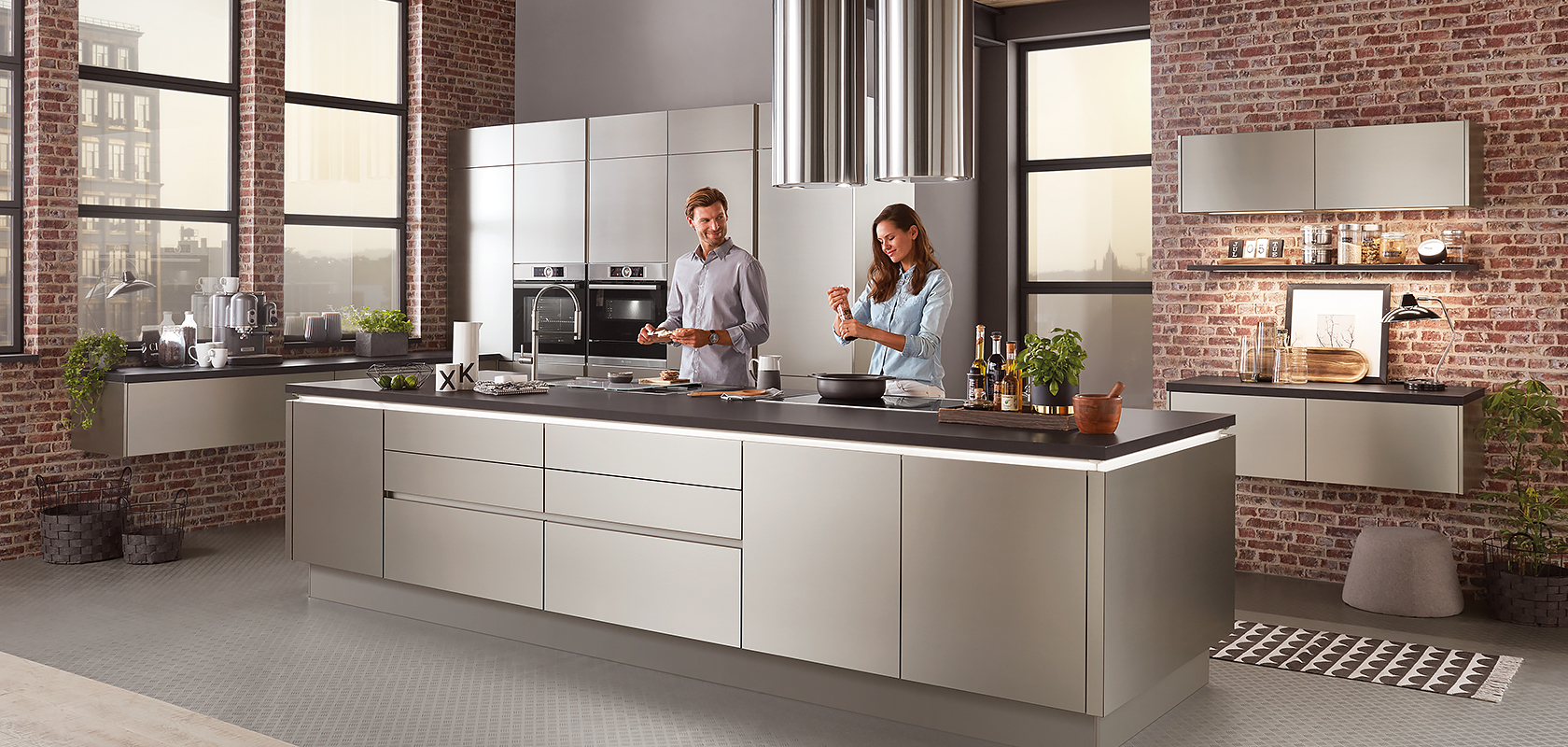
When families start comparing cabinet materials for a new or renovated kitchen, one grade of steel comes up again and again: 304. It is the most widely specified stainless steel in the world for food-contact surfaces, and it is the grade we recommend for nearly every residential project. In this product guide, we explain what 304 stainless steel kitchen cabinets are, why they outlast and outperform wood-based cabinets in real homes, what configurations are available, and how to order a set that fits your kitchen exactly.
304 is an austenitic stainless steel — often labeled 18/8 because it contains approximately 18% chromium and 8% nickel. These two elements do the important work:
| Element | Typical Content | What It Does |
|---|---|---|
| Chromium (Cr) | 18–20% | Forms a self-repairing passive oxide layer that blocks rust |
| Nickel (Ni) | 8–10.5% | Stabilizes the austenitic structure; improves formability and shine |
| Carbon (C) | ≤ 0.08% | Kept low to preserve corrosion resistance during welding |
| Molybdenum (Mo) | — | Not included (that is grade 316, for coastal/marine use) |
Because of this composition, 304 stainless steel kitchen cabinets resist the three things that destroy ordinary cabinets: water, heat, and food acids. The surface is non-porous, so it never absorbs spills, odors, or bacteria. Scratches on the passive layer heal themselves in the presence of oxygen — the steel literally repairs its own rust protection.
Genuine 304 sheet carries identifiable mill certification. Buyers should always ask for it: low-cost suppliers sometimes substitute 201-grade steel, which looks identical on day one but pits and rusts within a few years, especially around sinks and seams.
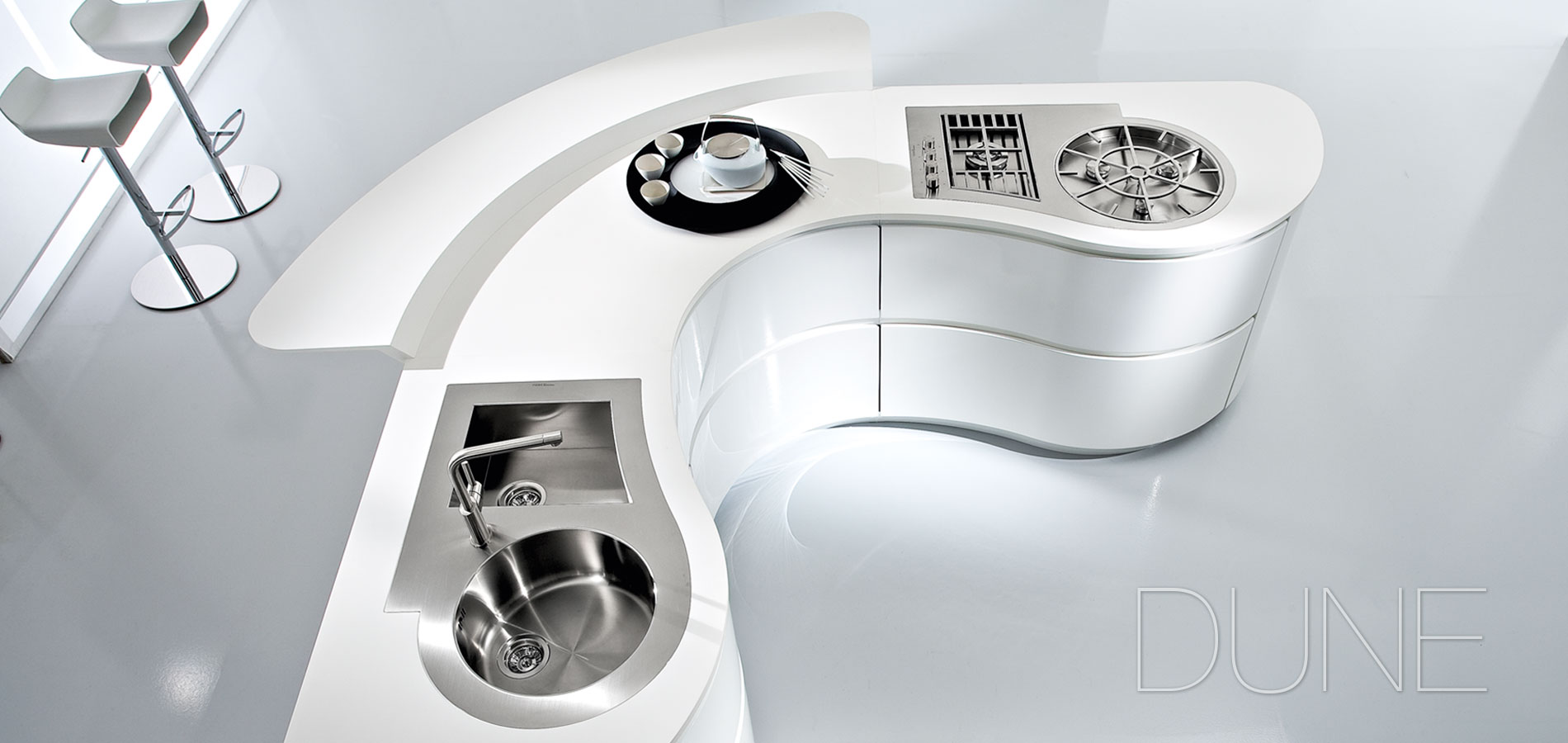
Our 304 line covers every layout from compact apartments to open-plan villas:
Hardware is specified from named brands: soft-close slides and hinges as standard, with 5-year hardware warranty. Every carcass is spot-welded and sealed, with adjustable legs that keep the cabinet body off wet floors — a small detail that adds years of life.
| Component | Our Standard | Why It Matters |
|---|---|---|
| Carcass sheet | 0.8–1.0 mm 304 | Resists deformation; thin 0.4–0.5 mm sheets flex and drum |
| Door sheet | 0.8–1.0 mm | Prevents oil-canning on large doors |
| Worktop | 1.2–1.5 mm 304 | Handles hot pots and cutting impact |
| Welding | Continuous argon-arc welds, ground smooth | No crevices for dirt or moisture |
| Back panel | Full-height enclosed back | Blocks water entry from the wall side |
| Legs | Adjustable stainless legs | Keeps body dry; easy cleaning underneath |
| Hardware | Named-brand soft-close, 5-yr warranty | Daily-use reliability |
Two numbers deserve special attention. First, sheet thickness: reputable 304 cabinet factories publish it per component; suppliers that hide this spec are usually compensating somewhere. Second, welding type: continuous welded and passivated seams separate food-grade construction from screwed-and-glued assemblies.
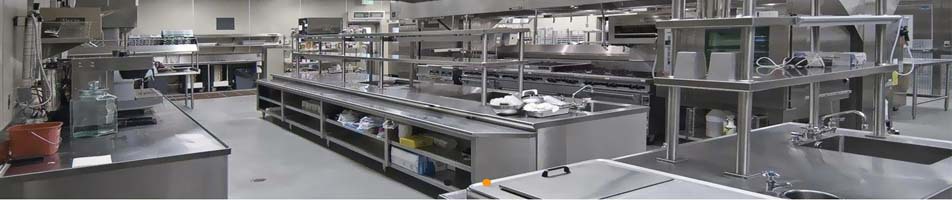
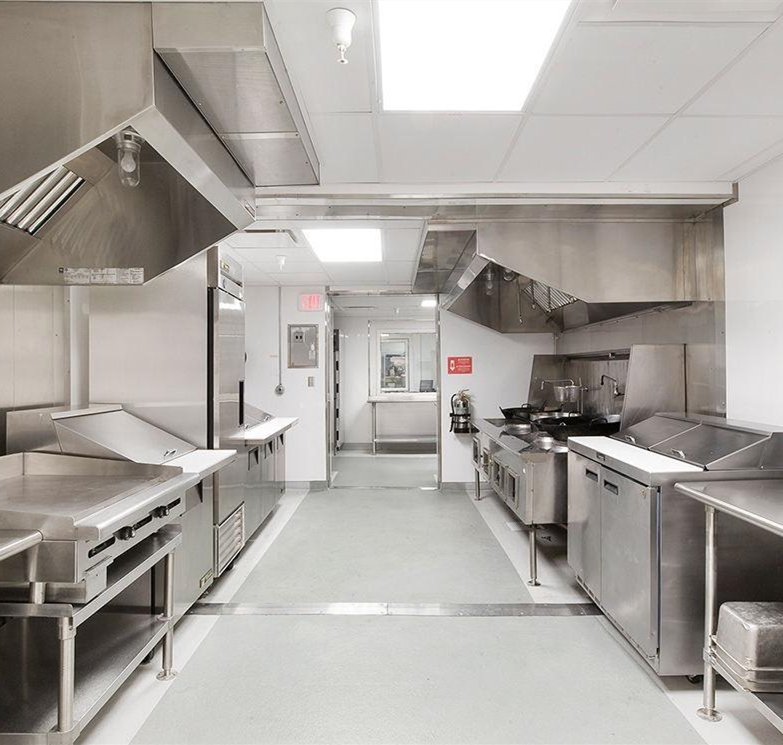
The same 304 construction that serves family kitchens scales directly into demanding environments — which is why the material is trusted in professional settings:
For homes within a few kilometers of the ocean, we recommend stepping up to 316-grade steel for outdoor or beachfront installations — the full comparison is covered in our guide to stainless steel cabinets for home, outdoor, and commercial kitchens.
Because 201-grade steel costs 15–25% less than 304, some low-cost suppliers substitute it while still advertising "stainless steel cabinets". The difference shows up within one or two monsoon seasons:
| Test | 304 (Correct) | 201 (Inferior) |
|---|---|---|
| Nickel content | 8–10.5% | 3.5–5.5% |
| Magnet response | Weak or none | Weakly magnetic when deformed |
| Salt-spray resistance | Passes 500+ hours | Rust spots in weeks–months |
| Sink-area behavior | Stays clean | Orange pitting around seams |
| Documentation | Mill certificate per batch | Rarely provided |
Three practical checks protect you. First, ask for the mill test certificate (MTC) listing the heat number and chemical composition — legitimate factories provide it per production batch. Second, apply a weak magnet: 201 becomes noticeably magnetic after bending, while 304 stays nearly non-magnetic. Third, order a small test: a drop of salt water left overnight on the seam area will pit inferior steel within days.
Ordering custom 304 cabinets follows five steps:
Minimum order is flexible: a single kitchen set is a standard order, and OEM projects for dealers and contractors are welcome. For quotations, use our inquiry form or the contact page.
304 stainless steel needs almost nothing: a microfiber cloth and neutral detergent for daily cleaning. Two habits keep it factory-fresh for decades — avoid chlorine bleach (it attacks the passive layer) and always wipe with the grain on brushed surfaces. For stubborn limescale near the sink, a 1:1 water-and-white-vinegar spray followed by a dry wipe restores the finish.
Are 304 stainless steel kitchen cabinets safe for food contact? Yes. 304 is the standard food-contact grade worldwide, used in commercial kitchens and food processing. It is non-porous and does not leach anything into food.
Will my 304 cabinets rust near the sea? Indoors, 304 performs well even in coastal cities. For outdoor kitchens or beachfront properties, choose 316 — its added molybdenum handles salt-laden air.
Do steel kitchens look cold or industrial? Not anymore. Modern 304 lines come with embossed textures, warm powder-coated colors, wood-look steel doors, and glass fronts — the material reads as premium matte metal, not a commercial kitchen.
How do I verify I received real 304? Ask for the mill test certificate for your order and check the sheet stamping. We provide 304 material certificates with every shipment.
What is the price compared with a wooden kitchen? Typically 20–40% higher at purchase, and significantly cheaper over 20 years because there is essentially no replacement or repair cycle.
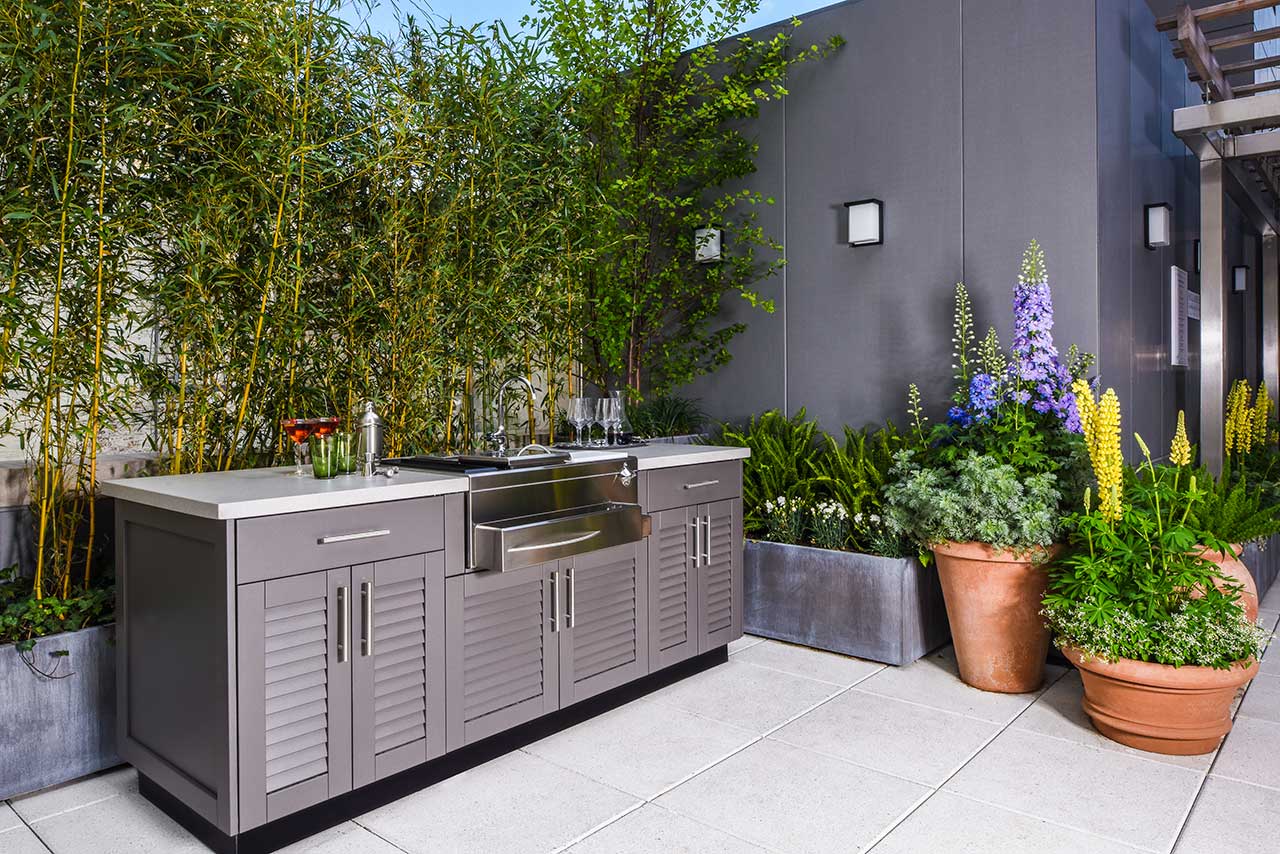
For families planning to stay in their home for a decade or more, 304 stainless steel kitchen cabinets are the definition of buy-it-for-life: waterproof, hygienic, fire-safe, formaldehyde-free, and fully recyclable. Explore our full range on the products page, learn about our factory and certifications, or send your kitchen dimensions through the inquiry form for a free layout proposal.
Contact: kathy lao
Phone: WeChat/whatsspp:+86-15014649610
Tel: +86-757-28917002 +86-15014649610
Email: kc@stuya127.com
Add: shop B128,sunlink kitchen cabinet linghting city,shunde district,ghungdong province china
 kathy
 kahty